The health and safety of employees in Austria is regulated by numerous ordinances. Two of the most important regulations that guarantee this protection are the Construction Workers Protection Ordinance (BauV) and the Workplace Ordinance (AStV). Both ordinances aim to prevent accidents, minimize hazards and create safe working conditions. Nevertheless, they differ considerably in their scope of application and specific requirements. In this article, we explain in detail how the BauV and AStV interact, what their differences are and what measures are important for employers and building owners.
Areas of application: Construction site vs. stationary workplace
The Construction Workers Protection Ordinance (BauV): Safety on construction sites
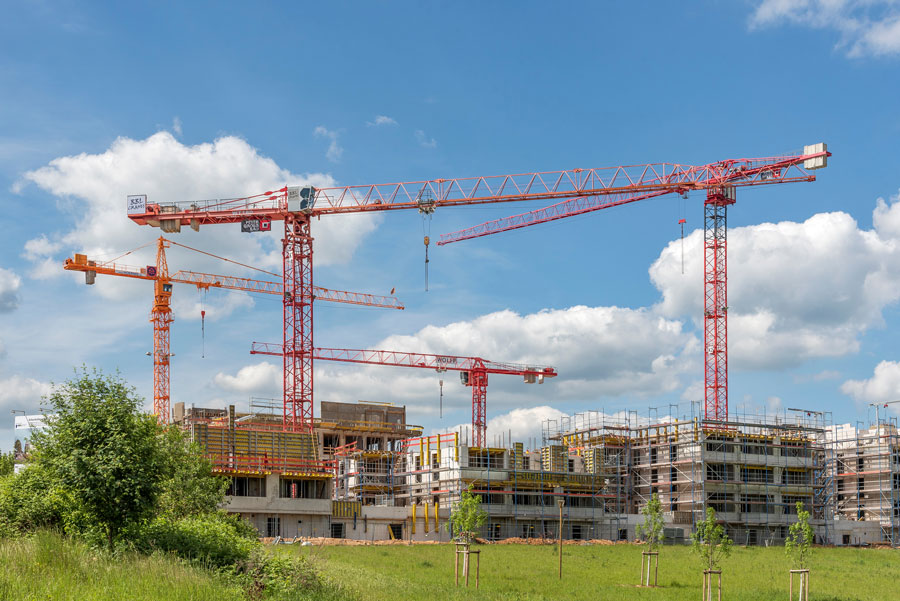
The BauV is specifically tailored to construction sites. Construction sites are characterized by dynamic, often short-term working conditions. Situations, materials and hazards change on a daily basis. The BauV therefore focuses on ensuring safety under these special conditions. It applies exclusively to construction projects and covers all temporary working environments associated with the construction, maintenance or demolition of buildings and infrastructure.
Examples:
- Construction of a new office building.
- Renovation of a residential complex.
- Demolition of an old factory building.
The Workplace Ordinance (AStV): Safety in the permanent workplace
The AStV, on the other hand, regulates occupational health and safety in stationary workplaces. It applies to workplaces that are used over a longer period of time, such as offices, workshops, warehouses or production facilities. It focuses on the design of working environments that are safe and health-promoting in the long term.
Examples:
- Office workstations in a company.
- Workshops for craft businesses.
- Warehouses for goods and materials.
Risk assessment: Temporary vs. permanent hazards
BauV: Rapid adaptation to changing hazards
Construction sites are subject to constantly changing conditions. Today work is being carried out on the roof, tomorrow in the foundation area, and new trades are constantly being added. The BauV therefore requires a continuous risk assessment that takes all activities and work areas into account. Particularly important here are
- Dangers of working at great heights.
- Handling heavy machinery and equipment.
- Use of chemical or explosive substances.
The BauV stipulates that clients and construction coordinators must draw up a health and safety plan (SiGe plan). This plan is updated regularly in order to meet the dynamic requirements on construction sites.
AStV: Long-term safety standards
The COREPER is aimed at permanent hazards. This concerns the safety of workplaces that are used unchanged for years. The risk assessment takes into account aspects such as
- Ergonomics at the workplace (e.g. desks and chairs).
- Lighting and ventilation.
- Fire protection measures and escape routes.
Once implemented, safety standards are regularly reviewed to ensure that they comply with current regulations and technologies.
Responsibilities: Building owners vs. employers
BauV: Responsibility of building owners and building coordinators
The BauV places the main responsibility for safety on construction sites in the hands of clients and construction coordinators. The client is obliged to appoint a planning coordinator and a construction coordinator if several trades are working on the construction site. These coordinators must:
- Create and implement a health and safety plan.
- Coordinate cooperation between the various trades.
- Carry out regular safety checks on the construction site.
Coreper: Responsibility of employers
In stationary workplaces, responsibility for safety lies with the employer. They must ensure that the workplace meets the requirements of the AStV. This includes
- Provision of suitable personal protective equipment (PPE).
- Setting up ergonomic workstations.
- Regular maintenance and inspection of machines and systems.
Specifically regulated measures
Construction Workers Protection Ordinance (BauV): Temporary measures
The BauV contains regulations for specific hazards on construction sites:
- Securing construction sites: Barriers, warning signs and safety lighting.
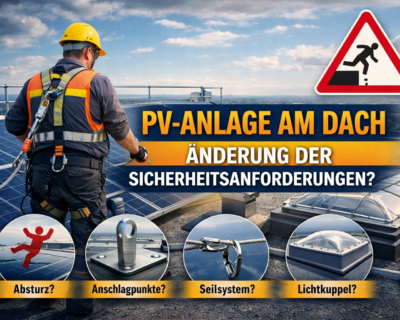
- Working at great heights: use of scaffolding, fall protection and safety harnesses.
- Machine safety: Rules for the safe operation of cranes, excavators and other equipment.
- Handling hazardous substances: Protective measures when using chemicals and explosive substances.
Workplace Ordinance (AStV): Permanent measures
The AStV regulates long-term safety standards in workplaces:
- Sanitary facilities: Provision of toilets, washrooms and break rooms.
- Ergonomic requirements: Design of workplaces that prevent damage to health.
- Escape and rescue routes: Regulations for marking and keeping escape routes clear.
- Air quality and lighting: Ensuring a pleasant and safe working environment.
SiGe plan: The core of the BauV
A central component of the BauV is the safety and health protection plan (SiGe plan). This plan defines:
- Dangers on the construction site.
- Measures to avoid these dangers.
- Responsibilities for implementing the measures.
The SiGe plan is mandatory as soon as several companies are working on a construction site. The construction site may not be put into operation without it.
Long-term planning by Coreper
In contrast to the BauV, the AStV focuses on the long-term design of safe working environments. Employers must ensure that their workplace complies with current safety regulations and is regularly maintained.
Common goals: Protection of people and the environment
Whether BauV or AStV - both ordinances pursue the same goal: the protection of human life and the prevention of accidents. They complement each other in their focus and together create a comprehensive framework for occupational safety.
Practical tips for companies and building owners
- Knowledge of the regulations: Find out about the requirements of the BauV and AStV in order to avoid legal and practical consequences.
- Safety planning: Create a health and safety plan for construction sites and a long-term safety strategy for stationary workplaces.
- Training courses: Sensitize your employees to the specific requirements of their working environment.
- Regular checks: Ensure that all measures are regularly checked and updated.
Conclusion: BauV and AStV - two sides of the same coin
The Construction Workers Protection Ordinance and the Workplace Ordinance are essential for the protection of employees. While the BauV regulates temporary safety measures on construction sites, the AStV ensures long-term standards in stationary workplaces. Both ordinances complement each other and form the basis for holistic occupational health and safety.
📌 F urther information:
Security is no coincidence - act now!