Brandschutz rettet Leben & schützt unser Klima
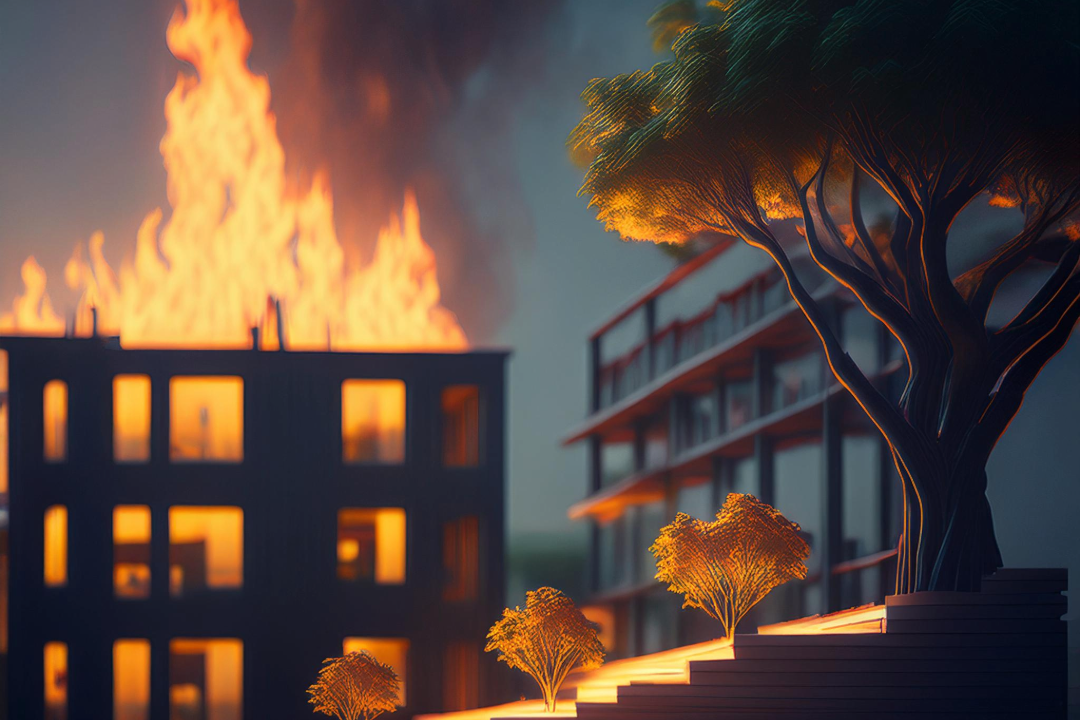
Klingt überraschend? Die Realität ist oft unsichtbar, aber die Folgen sind riesig. Ein Brand in einem einzigen Haus kann gewaltige Mengen CO₂ freisetzen, die das Klima belasten, und uns der Zukunft berauben, die wir uns wünschen. Jedes Haus, das in Flammen aufgeht, jedes Material, das verbrannt wird, trägt massiv zur CO₂-Belastung bei. Und das passiert jeden Tag. Doch es gibt eine Lösung, eine Verantwortung, die wir alle teilen können: Effektiver Brandschutz. Er bewahrt unser Leben, Eigentum und ist unsere beste Waffe im Kampf gegen die Klimakrise.
The invisible danger: CO₂ emissions from fires
Wusstest du, dass ein einziger Hausbrand so viel CO₂ freisetzen kann wie 30 Autos in einem ganzen Jahr? Stell dir das einmal vor. All das Holz, die Kunststoffe, die Möbel. Alles Steckt voller Energie. Wenn diese Energie nicht genutzt wird, sondern in Flammen aufgeht, bleibt nur CO₂ zurück und das in gigantischen Mengen. Ein durchschnittliches Haus enthält etwa 20 bis 30 Tonnen Holz in seinen Balken, Böden und Dächern. Auch Kunststoffe, etwa 1 bis 2 Tonnen in Fensterrahmen und Isolierungen, sowie Möbel und Einrichtungsgegenstände aus Holz und Textilien, summieren sich auf 5 bis 10 Tonnen.
The result? Almost 63,000 kilograms of CO₂ are thrown into the atmosphere. A single small residential building that goes up in flames releases as much CO₂ as a forest absorbs in a year. And that in just a few hours. This is the reality behind every fire that rages uncontrollably.
Fire protection: a strong ally in the fight against climate change
Aber es muss nicht so sein. Mit präventivem Brandschutz können wir viele dieser Brände verhindern. Wir können verhindern, dass all diese Materialien einfach verbrennen und dabei schädliche Treibhausgase freisetzen. Effektiver Brandschutz schützt die Menschen, die sich in Gebäuden aufhalten und die Umwelt. Jedes Mal, wenn ein Brand erfolgreich vermieden wird, tragen wir aktiv zur CO₂-Reduktion bei. Und das ist nicht nur ein Gewinn für uns, sondern für den gesamten Planeten.
Brandschutz ist so viel mehr als ein rechtliches Muss, er ist eine Chance. Eine Chance, Verantwortung zu übernehmen, für uns und für die kommenden Generationen.** Brände zu verhindern, bedeutet, klimafreundlich zu handeln. Es bedeutet, CO₂ einzusparen, Wälder zu schützen und das Klima zu schonen.
Sustainable materials in fire protection: double effect for climate protection
Heute stehen uns zudem Materialien zur Verfügung, die den Brandschutz revolutionieren und gleichzeitig das Klima schützen. Holzschutzmittel, Flammschutzbeschichtungen und feuerfeste Textilien werden zunehmend aus natürlichen oder recycelbaren Rohstoffen gefertigt. Damit verringern wir die CO₂-Bilanz der Baustoffe selbst und sorgen im Ernstfall auch dafür, dass weniger Schadstoffe freigesetzt werden.
Durch die Nutzung von nachhaltigen Materialien schaffen wir eine Doppelnutzung: Ein Material, das uns schützt, und gleichzeitig die Umwelt schont.** Brandschutzmaterialien, die erneuerbare oder recycelbare Rohstoffe enthalten, helfen dabei, Gebäude sicherer zu machen und die Klimabelastung zu senken. Dies ist der nächste Schritt in einer verantwortungsvollen, zukunftsorientierten Bauweise, die Leben schützt und den Planeten respektiert.
Our mission: Combining fire protection and climate protection
Wir sind es dem Planeten und uns selbst schuldig, das Maximum an Sicherheit und Nachhaltigkeit zu erreichen.** Brandschutz rettet Leben, aber er schützt auch die Erde. Und das ist eine Verantwortung, die wir nicht aufschieben können. Jeder Hausbesitzer, Unternehmer oder einfach Mensch, kann dazu beitragen. Präventive Brandschutzmaßnahmen kosten nicht die Welt, aber sie können die Welt bewahren.
Imagine a future in which fires are rarer and the air is cleaner. A future in which fire protection and climate protection go hand in hand. Together we can achieve this vision. Effective fire protection is not just for today, but for tomorrow and the generations that follow.