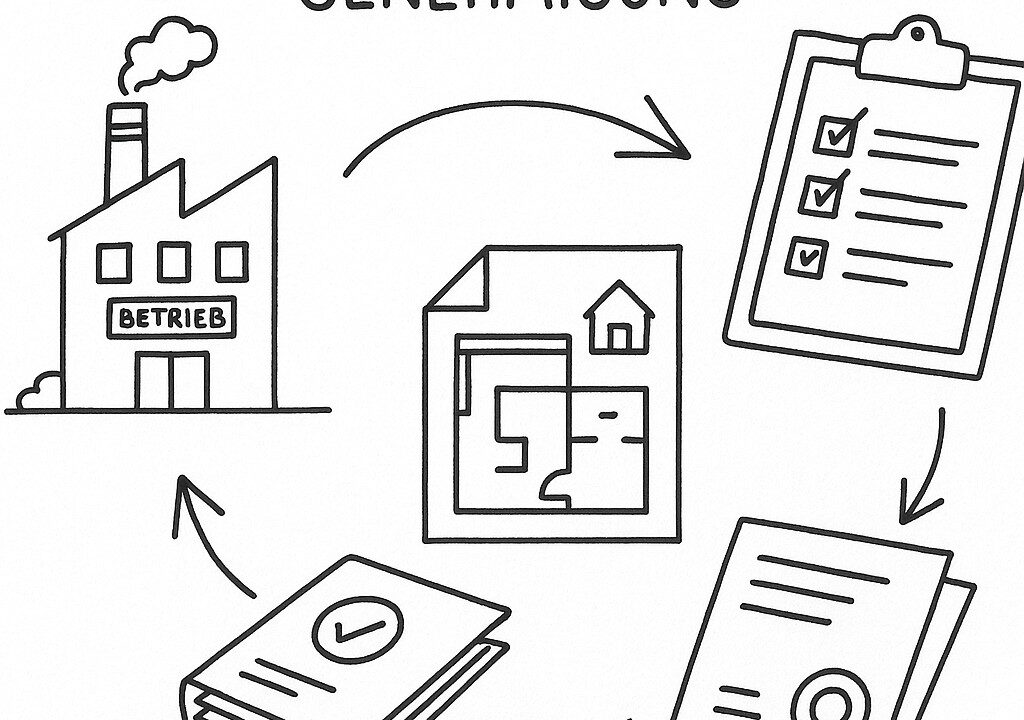
The Permit Exemption Ordinance - a term that makes many entrepreneurs breathe a sigh of relief. Less bureaucracy at last, simpler procedures and more room for maneuver. But behind this apparent relief lies a new form of responsibility that is no less complex than the previous approval procedure.
Since the most recent amendment, certain operating facilities are exempt from approval under clearly defined conditions. This seems to be a welcome relief, especially for smaller hotels and restaurants. But what does this mean in concrete terms? In which cases is the business premises permit? What technical, organizational and legal requirements must still be met?
Practice shows that many entrepreneurs underestimate the scope of the exemption. This is because it does not mean that regulations no longer apply. Rather, the responsibility shifts from the authorities to the operator himself. The company must now be able to prove that its system complies with the legal requirements - without there having previously been an official inspection. This applies in particular to areas such as fire protection, air pollution control, noise protection, water protection and employee protection.
What's more, what is exempt from approval today may require approval again tomorrow due to a seemingly insignificant change. An additional unit, a changed usage concept, an interior conversion - and you are already outside the scope of the exemption. The result is often a subsequent notification or even a costly re-approval procedure.
The authorities themselves increasingly see the exemption as an opportunity to ease the burden - but not as a reason to be lenient. More and more checks are being carried out to ensure that exempted businesses are actually being operated in compliance with the law. Complaints from neighbors or inspections for specific reasons can be enough to trigger proceedings. The supposedly uncomplicated start of operations then quickly develops into a complex legal dispute.
However, those who address the issue at an early stage can benefit. Exemption is not a risk if you take a systematic approach. This includes clear documentation, technical reports, comprehensible plans and the involvement of experts as early as the planning phase. Because even if no approval has to be obtained, the responsibility for safety, environmental compatibility and legal compliance remains with the contractor.
Our offer is aimed at all companies that want to be aware of this new responsibility. We check the applicability of the exemption for you, prepare the necessary verification documents and assist you with conversions, changes of use or notifications. This ensures that your facility is not only formally correct - but also future-proof.
Because time off is not a free ride - it's a contract with yourself.
Link to the legal text